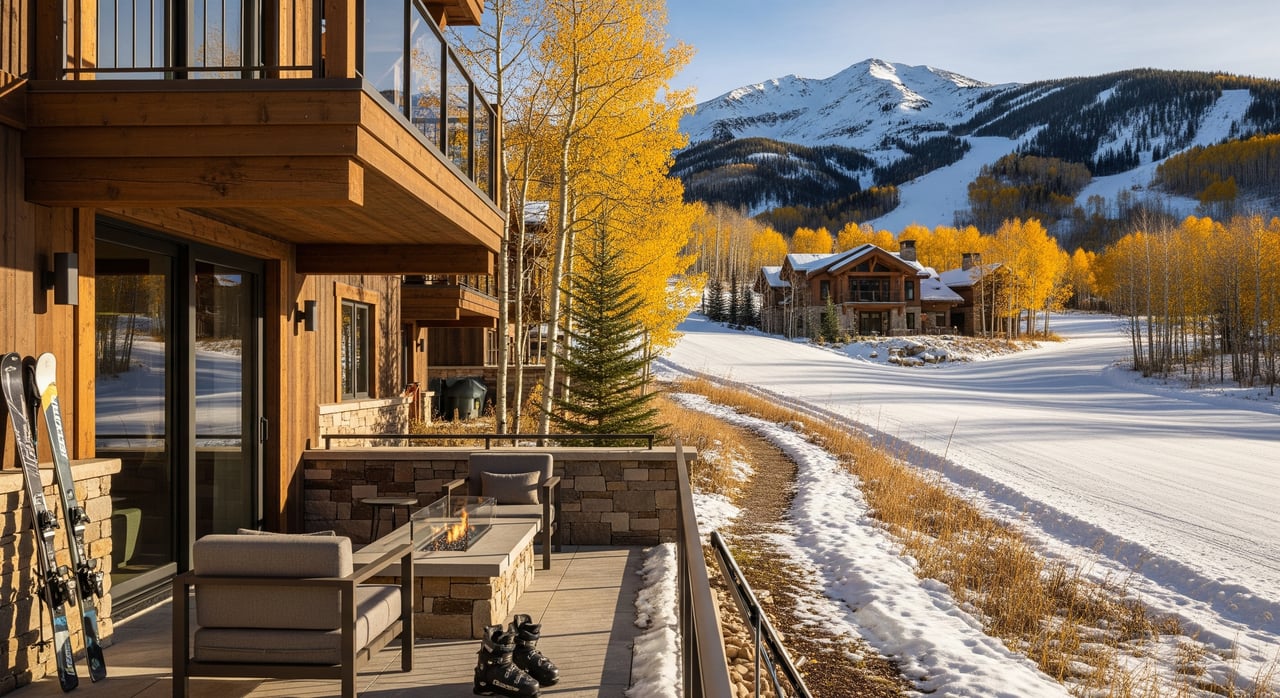
Trying to decide between a ski-in condo and a trailside home in Mountain Village? You’re not alone. Both offer direct access to the Telluride lifestyle, but they deliver it in very different ways. In this guide, you’ll learn how ownership structure, costs, maintenance, access, risks, and rental potential compare so you can choose with confidence. Let’s dive in.
Mountain Village context
Mountain Village is a planned resort community next to Telluride, connected by a free gondola and woven into the terrain of the Telluride Ski Resort. You see a mix of full-time residents, second-home owners, and short-term rentals. Demand is shaped by ski access, proximity to the gondola and dining, views, and trail networks that serve both winter and summer.
Inventory can be tight and seasonal, and resort properties often command premium per-square-foot pricing. If rental income is part of your plan, know that short-term rentals are active here, but licensing, occupancy taxes, and rules apply. Always verify current Town of Mountain Village regulations and any HOA restrictions before you run numbers.
Ownership and governance basics
Ski-in condos typically sit within a condominium association where you own your unit plus a share of common elements. Exterior systems, roofs, elevators, and many amenities are managed collectively. Trailsides single-family homes are usually fee simple ownership of the lot and structure. Some homes are in an HOA for roads or design standards, while others have little formal oversight.
Colorado’s Common Interest Ownership Act guides many HOA and condo operations, including reserves, disclosures, and voting. In practice, condo associations often handle exterior maintenance, snow removal for common areas, insurance master policies, and amenities. A single-family HOA, if present, is usually limited to roads, landscaping standards, or architectural review.
Money matters: dues, reserves, and financing
High-amenity ski-in condos often carry higher monthly dues that fund building operations, reserves, and services. Review the budget, reserve study, and any special assessments. Pay attention to elevators, roofs, mechanicals, and lobbies that are expensive to maintain. Lenders look closely at association financial health and rental ratios, which can affect your loan terms.
With trailside homes, you shoulder more direct costs for the building envelope, driveway, and systems. If your home is on a private road or a shared drive, confirm road maintenance agreements and how plowing is funded. Dues, if any, tend to be lower than condo dues, but you own more of the maintenance responsibility.
Property taxes are administered by the San Miguel County Assessor. Pull tax history for any property you’re considering and check for local improvement districts or special assessments.
Insurance and liability differences
Condo owners usually carry an HO-6 policy for interior finishes and contents, while the association carries a master policy for exterior and common elements. Confirm what the master policy covers, especially deductibles and perils. Some resort associations use larger deductibles that owners should plan for.
Trailsides homeowners typically carry a comprehensive policy covering the structure, liability, and any detached buildings. Premiums can be higher in wildfire or heavy-snow zones. Lenders generally require sufficient hazard coverage, and you should confirm whether any association or local guidelines affect materials and defensible space.
Maintenance and winter logistics
In ski-in buildings, the association normally handles exterior work, roof and siding, snow removal in common areas, and shared systems. Your role centers on the interior, in-unit systems, and finishes. Many buildings are designed around winter convenience with gear storage and easy access to the slopes or gondola.
For trailside homes, you take on roof and exterior care, snow removal for driveways, and potentially private road upkeep. If you are not on town services, confirm sewer or septic details and service obligations. High elevation living also means planning for winterization, freeze protection, and seasonal occupancy.
Consider backup power. Ask about the frequency of outages and whether generators or battery systems are allowed by the HOA or local code. In this environment, preparing for winter access and power continuity is practical planning, not just a nice-to-have.
Terrain risks: avalanche and wildfire
Properties near ski runs may sit below avalanche mitigation zones. Ask for hazard maps, mitigation history, and any recorded easements. The Telluride Ski Resort and the Colorado Avalanche Information Center maintain resources related to mountain operations and avalanche hazard. It pays to understand the history and current approach at any specific site.
Wildfire risk is part of the regional landscape. Trailsides homes with yards and natural vegetation require active stewardship for defensible space and fuel reduction. Associations may set guidelines to preserve aesthetics and reduce fire risk. Even for condos, materials and landscaping choices matter, though the association usually manages the plan.
Lifestyle and privacy tradeoffs
A ski-in condo is about convenience. You get immediate access to runs and the gondola, minimal exterior maintenance, and on-site services like concierge or fitness areas in some buildings. The tradeoff is more vertical density, shared hallways, and a busier environment during peak seasons.
A trailside home prioritizes space and autonomy. You gain private indoor-outdoor areas, a garage, and control over improvements. It is typically quieter with fewer neighbors nearby, but you manage more of the upkeep and may have trail traffic near your property if a public easement exists.
Storage, parking, and vehicles
Many ski-in buildings provide dedicated ski lockers and some form of parking that may be deeded, assigned, or shared. Check guest parking policies and vehicle limits. With a trailside home, you usually have a private garage and driveway, but you are responsible for clearing snow and ensuring access during winter.
Short-term rentals and use
Both condos and single-family homes may be eligible for short-term rentals, but rules vary. Condos often have established rental infrastructure through the association or local managers. Homes can command strong rates for privacy and space. In all cases, verify Town of Mountain Village licensing, occupancy taxes, HOA rental caps, and any insurance requirements before you rely on projected income.
Quick comparison checklist
Use these questions to compare specific properties side by side:
- How do monthly condo dues compare with a realistic annual maintenance budget for a similar home?
- Are there active or planned special assessments? What is the reserve fund status?
- What does the master insurance policy cover and what are the deductibles?
- What are parking rights, storage allocations, and guest parking policies?
- Are there owner occupancy or rental restrictions that affect your plans?
- What are winter access expectations, including driveway slope and road plowing?
- Is there documented avalanche exposure or mitigation near the property?
- What is the wildfire risk rating and what mitigation work is required or recommended?
- Which services are provided by the town versus the HOA or owner?
Decision framework
Choosing between a ski-in condo and a trailside home often comes down to lifestyle, tolerance for shared governance, and your approach to stewardship.
Choose a ski-in condo if
- You want immediate slope and gondola access.
- You prefer a low-maintenance, lock-and-leave setup with on-site services.
- You plan frequent weekend or seasonal use and value convenience.
- You expect to leverage established rental programs and amenity appeal.
Choose a trailside home if
- You want private outdoor space, a garage, and room for gear.
- You value design autonomy and the ability to customize.
- You are comfortable managing or outsourcing exterior maintenance.
- You prioritize long-term stewardship, including defensible space and trail interface.
Weigh risk tolerance and governance
- If you prefer direct control over decisions and dislike shared governance risk, a single-family home may suit you better.
- If you value managed maintenance and are comfortable with HOAs and shared budgets, a condo delivers convenience and predictable services.
Due diligence for condos
Request and review these items for any ski-in building:
- Current HOA budget, reserve study, and recent financials.
- Minutes from the last 12 months of board meetings.
- Declaration, bylaws, and rules, including rental policy.
- Master insurance policy summary, including deductibles and coverage.
- Any special assessments or planned capital projects.
- Parking rights, storage allocations, and exclusive-use areas.
- A building inspection focused on the exterior envelope, balconies, and mechanicals.
Due diligence for trailside homes
Protect your position with the following:
- A thorough inspection of roof, foundation, utilities, and septic if applicable.
- Road maintenance agreements and winter plowing responsibilities.
- Recorded easements and any public trail access near the lot.
- A wildfire risk assessment and mitigation history for defensible space.
- Utility sources and capacities, snow removal logistics, and septic permits where applicable.
The bottom line
The core tradeoff here is simple. A ski-in condo delivers convenience and shared services. A trailside home delivers space, privacy, and control. Your best fit depends on how you use the property, your comfort with maintenance and governance, and the specific risks and services at a given address.
If you want a quiet, expert sounding board as you evaluate options, reach out to schedule a conversation with Lars Carlson. You will get straightforward guidance rooted in local knowledge so you can move forward with clarity.
FAQs
What do condo HOA dues typically cover in Mountain Village?
- Dues often fund exterior maintenance, snow removal for common areas, the building’s master insurance policy, reserves for capital projects, and shared utilities or amenities such as elevators and lobbies.
How are trailside home costs different from a condo?
- You assume direct responsibility for exterior upkeep, driveway and private road plowing if applicable, roof and siding, landscaping, and any private water or septic systems, which can make costs more variable year to year.
Where can I check avalanche exposure for a specific property?
- Ask for hazard maps and mitigation history from the ski area and consult resources from the Colorado Avalanche Information Center, then verify any recorded mitigation easements or agreements tied to the property.
What should I verify before planning short-term rentals?
- Confirm Town of Mountain Village licensing, occupancy taxes, HOA rental rules or caps, parking limits, and insurance requirements, as these can materially affect rental income and operations.
How does insurance differ for condos vs. homes?
- Condo owners typically carry an HO-6 policy for interiors and contents, with the association insuring exteriors and common areas. Single-family homeowners carry full structure and liability coverage, often with higher premiums in wildfire or heavy-snow zones.