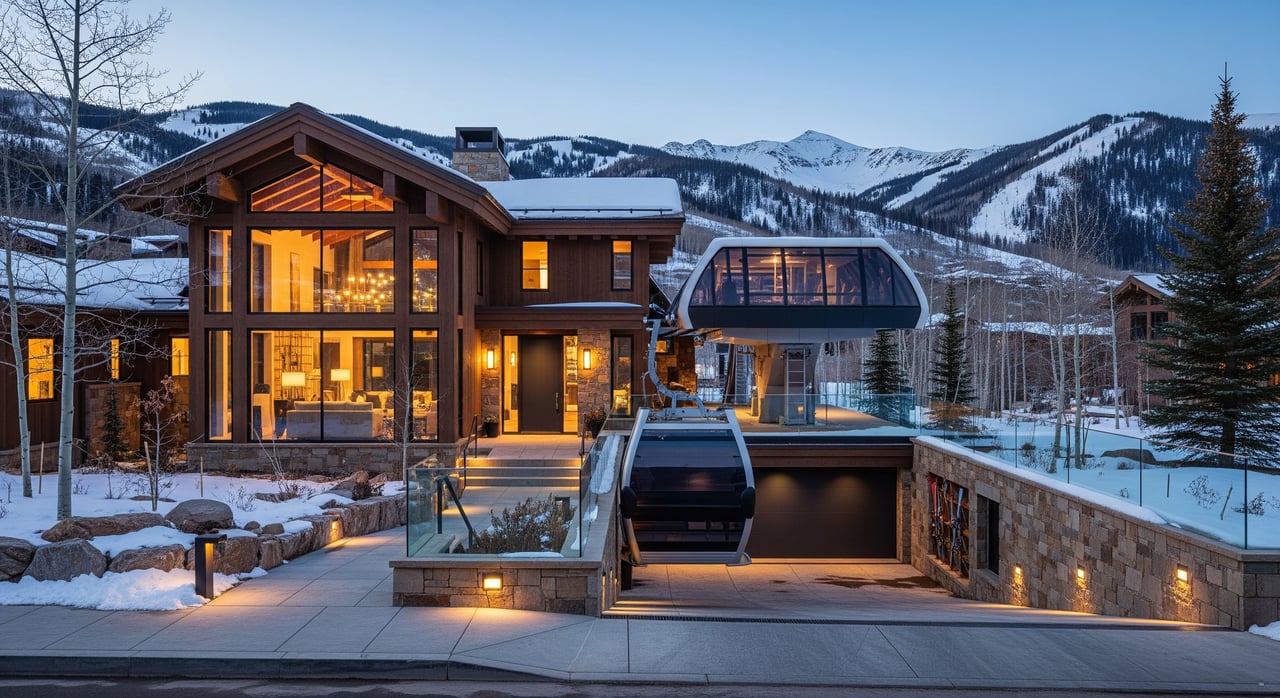
If you are considering a home in Mountain Village, the free gondola is likely one of the first lifestyle features you will hear about. It is more than a scenic ride. It is a daily connector that can shape how you move, dine, ski, and plan your time. In this guide, you will learn how gondola access influences convenience, enjoyment, and long-term value, along with practical tradeoffs to weigh as you compare properties. Let’s dive in.
What the gondola is and why it matters
The Telluride–Mountain Village gondola is a free, public aerial tramway that links Mountain Village to the Town of Telluride. It operates year-round with seasonal schedules and functions as a core piece of local transit for residents, workers, skiers, and visitors. Because it reduces reliance on private vehicles and connects homes to dining, services, and lifts, it is widely viewed as a defining convenience for Mountain Village property owners.
You can walk on with no ticket, which makes short, frequent trips part of daily life. Weather and maintenance can affect hours, so it is smart to check current schedules before planning late evenings or time-sensitive connections. For many buyers, proximity to a gondola station becomes a top factor when comparing locations within Mountain Village.
Daily life and mobility
Commutes and car-light living
If you live within a short walk of a gondola station, door-to-door time to downtown Telluride can be shorter than driving. You avoid traffic, parking, and seasonal road conditions. If a car-light lifestyle appeals to you, walking time to the nearest station should be a primary metric when you evaluate a property.
Local businesses rely on the gondola for employees as well. That is one reason restaurants, shops, and services cluster near stations. As a resident, this pattern adds convenience because errands and dining are often a short ride away.
Errands, services, and appointments
Mountain Village offers some grocery and service options, but Telluride has a broader selection. The gondola makes these trips simple if you prefer not to drive. For non-urgent appointments, the ride can reduce friction in your schedule. For emergencies, standard protocols apply, and you should rely on emergency services rather than the gondola.
Families often find that the gondola supports daily mobility but does not replace dedicated school transportation. If school logistics are important, review current bus routes and timing alongside station locations and walking paths.
Evenings, dining, and events
For dinners, shows, or festivals in town, the gondola encourages you to leave the car at home. Nighttime service makes spontaneous plans easier, though last-car times and event crowds can affect your experience on busy days. Properties within a short walk replicate a town-meets-mountain rhythm for the evening hours. Homes farther away offer more quiet, yet they require more planning.
What to look for in walking routes
Mountain Village has varied topography. A five-minute walk on a flat path is not the same as five minutes up a steep grade. In winter, snow and ice matter. Evaluate the route between a property and the nearest station for:
- Walking time categories: under 5 minutes, 5–15 minutes, or more than 15 minutes.
- Grade and elevation change, especially with ski boots or groceries.
- Sidewalk and path maintenance, including who handles snow clearing.
- Stairs and elevator access inside buildings and along approaches.
- Night lighting and wayfinding for evening trips.
Ski access and outdoor recreation
Getting to the slopes
Many owners use the gondola as a primary route to base-area lifts and ski terrain. It is part of the broader ski access network that also includes Mountain Village base lifts, shuttles, and private vehicles. If you want true ski-in/ski-out access, the exact property location and topography will matter. Properties adjacent to ski pistes offer a different experience than those where you rely on the gondola for the start and end of your day.
Skis and snowboards are typically permitted on the gondola. Policies for bikes and pets vary by season and operator guidance. If gear management is important, confirm storage options at the property and the building.
Peak times and alternatives
Morning and late-afternoon peaks can create short lines. Many owners view a brief queue as an acceptable tradeoff for not parking or driving. If you anticipate busy weekends or holidays, familiarize yourself with backup options. Depending on the property, this could include a neighborhood shuttle, a short drive to a base lift, or adjusting timing to avoid the heaviest peaks.
Weather and maintenance
High winds, icing, or extreme conditions can suspend service for safety. Scheduled maintenance also occurs. If you expect to rely on the gondola, plan a flexible routine and keep a backup in mind. For most residents, occasional interruptions are manageable when you have alternative routes.
Property types and convenience tradeoffs
Village core
Homes and condos in the core sit closest to shops, restaurants, and primary gondola terminals. Convenience is highest, and buyers often pay a premium for time savings and easy access. These buildings can carry higher HOA fees because of amenity upkeep and plaza maintenance. You should also expect more foot traffic and occasional ambient noise near station areas.
Mid-village neighborhoods
A short walk of 5–15 minutes to a station offers a balance of access and a quieter residential feel. You gain more privacy and often broader view options while retaining practical proximity to the gondola. HOA fees and parking provisions vary by building. Many buyers consider this zone a sweet spot between vibrancy and retreat.
Peripheral and elevated areas
Farther from the stations, you trade convenience for seclusion, larger lots, or single-family living. A shuttle or short drive may be part of your daily rhythm. These properties can provide more private parking and a stronger sense of retreat. In winter, the grade and road conditions deserve extra attention when you evaluate access.
Ski-adjacent complexes
Some developments orient to ski runs or community trails. In these settings, ski access may be direct in season, while gondola access may require a walk or shuttle. The exact configuration will shape your day-to-day experience, especially in early or late season when snow coverage changes.
How gondola proximity influences value
The convenience premium
Buyers often pay more for properties within a very short walk of a gondola station. The premium reflects time saved, easier access to dining and entertainment, and lower reliance on cars. For rental use, close proximity can improve occupancy and nightly rates when local rules allow short-term rentals. Always review current short-term rental regulations and HOA policies because they can affect revenue assumptions.
Resale resilience
Convenience features that reduce daily friction tend to support long-term resale value, especially for lifestyle-driven buyers. Empty-nesters, active retirees, and professionals who travel frequently often place a high value on a walkable, car-light home base. If you expect to resell in a market cycle, the right convenience profile can help protect value.
Costs, privacy, and parking
Near the village core, HOA fees can be higher to support amenities and maintenance. You may also experience more foot traffic near entrances. Parking varies by building. Some close-in properties have assigned spaces with guest limits, while remote homes may include more private parking. Views are personal preference. Some owners enjoy the energy of gondola sightlines. Others prefer to keep the gondola out of view.
Buyer checklist: evaluating gondola convenience
Use this checklist during showings and due diligence:
- Walking time to nearest station: under 5 minutes, 5–15 minutes, or more than 15 minutes.
- Terrain and winter realities: slope, stairs, and typical ice or snowpack.
- Path and sidewalk maintenance: who clears snow and when.
- Elevators and interior circulation: lobby-to-street and street-to-station.
- Last-car timing and seasonal schedules: confirm typical hours for your routine.
- Station crowd patterns: mornings, late afternoons, and event nights.
- Building services: ski lockers, mudroom, and gear storage.
- Parking and guest access: assigned spaces, visitor limits, and EV charging if needed.
- HOA costs: dues, what they cover, special assessments, and shuttle services.
- Short-term rental rules: town regulations and HOA policies if rentals are part of your plan.
- Alternative routes: neighborhood shuttle stops, base lift proximity, and easy drive options.
When convenience should lead your decision
Choose a core or mid-village location if you want frequent trips to town, plan to dine out often, or prefer not to drive. If you expect to host guests who value simple navigation, a short walk to the gondola removes friction for everyone. If rental performance is a goal, proximity can help, subject to local rules and building policies.
If privacy, acreage, or single-family living are higher priorities, a peripheral location may suit you better. In that setting, confirm that shuttle or drive times align with your lifestyle. Many owners find a rhythm that blends quiet days at home with planned trips to the village and town.
Work with an advisor who knows the nuances
Every property’s convenience profile is unique. Walking time, grade, snow management, HOA services, and rental rules can shift the experience in meaningful ways. An advisor who understands the town’s rhythms and building-by-building details can help you weigh tradeoffs with clarity.
If you would like a discreet, data-informed conversation about how gondola access fits your goals, connect with Lars Carlson for a confidential consultation.
FAQs
Is the Telluride–Mountain Village gondola free?
- Yes. It is a public system that is free to ride for residents and visitors.
Does the gondola operate year-round?
- Yes. It runs year-round with seasonal schedules. Always confirm current hours and last-car times before evening plans.
Can I bring skis, bikes, or dogs on the gondola?
- Skis and snowboards are typically permitted. Policies for bikes and pets vary by season. Check current operator guidance for details.
How reliable is the gondola during bad weather?
- Service can be suspended for safety during high winds or icing. Keep a backup plan such as a shuttle, flexible timing, or a vehicle.
Do buyers pay more to live close to the gondola?
- Often, yes. Properties within a short walk tend to command a convenience premium. Review recent local comps to quantify the difference.
Will living near the gondola raise my HOA fees or taxes?
- Proximity does not directly change taxes. However, buildings near high-amenity areas often have higher HOA fees to support services and maintenance.
How do short-term rental rules affect value near the gondola?
- Proximity can boost rental demand where short-term rentals are allowed, but local regulations and HOA policies govern what is permitted. Verify current rules during due diligence.