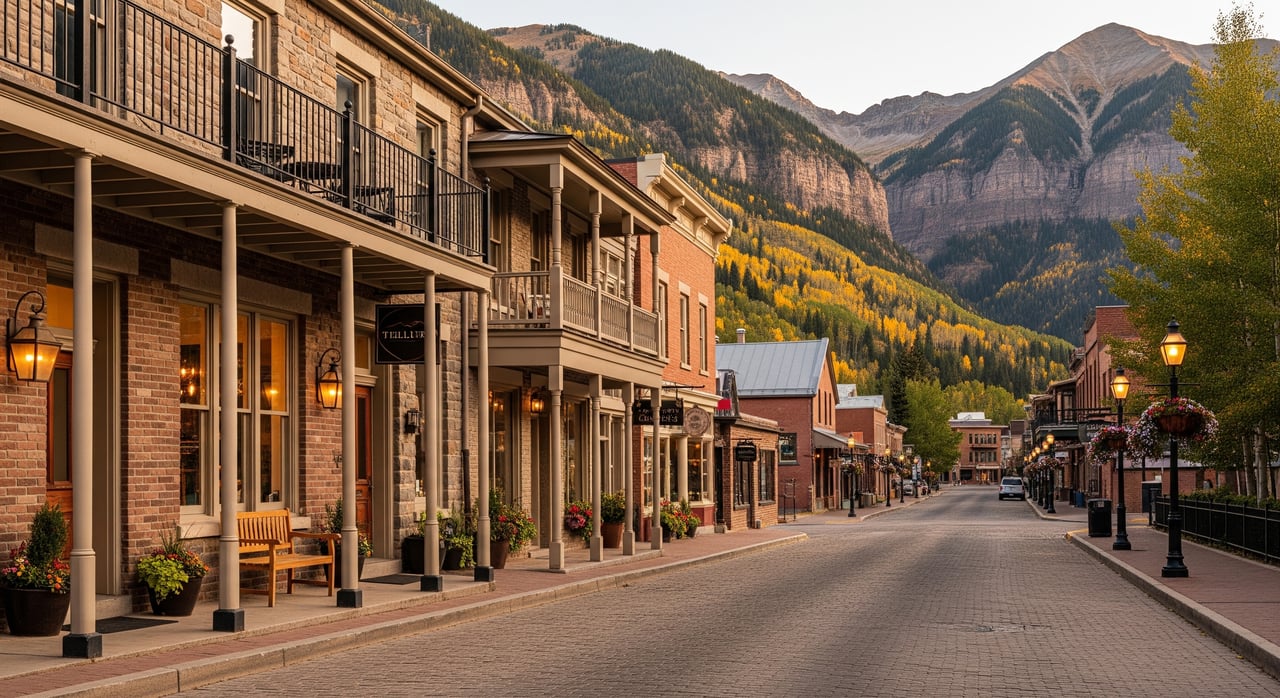
Imagine stepping out your front door to mountain light bouncing off Victorian façades, the box canyon rising at the end of the street. If you are considering a second home or a full relocation, you want to know how this historic in‑town neighborhood really lives day to day. In this guide, you will learn what to expect from walkability, festivals, housing styles, preservation rules, and practical ownership logistics in Telluride’s historic core. Let’s dive in.
Telluride setting and rhythm
Telluride’s historic core sits in a compact grid along and around Main Street inside a steep box canyon. Elevation sits roughly in the 8,700 to 8,800 foot range, which shapes everything from the crisp sun to winter routines and travel timing. A few thousand residents live here year‑round, joined by visitors and second‑homeowners during busier seasons.
Compact high‑alpine living
The historic core feels intimate and walkable. Streets are close-knit, homes are vertically oriented, and most daily needs are nearby. You feel the altitude in your first days. The air is thin, the sun is strong, and winter snow has real presence.
Walkability and daily errands
You can walk to restaurants, cafés, galleries, shops, basic services, and event venues from many homes and condos. Short trips are often on foot, and biking is common in summer. Winter brings icing and snow, so some routes can be steep or slick. On narrow streets, parking is often limited, which nudges you to leave the car and walk.
Festivals and quiet weeks
Telluride hosts well-known events across the year, including film, bluegrass, blues and brews, and MountainFilm. Festival weekends add energy, later hours, and heavier pedestrian traffic, especially downtown. Outside these peaks, the core settles into a calmer rhythm with shorter business hours in shoulder seasons. If you value quiet year‑round, plan for periodic bursts of activity during major events and holidays.
Outdoor access near town
Trails and river walks
The historic core gives you direct access to trails and the San Miguel River corridor. Morning jogs, family strolls, and quick hikes to nearby alpine trailheads fit easily into daily life. You do not need to drive far to get outside.
Ski access via gondola
Skiing is not typically ski‑in or ski‑out from the core. Instead, you ride the free public gondola or use shuttles to reach lift systems and Mountain Village. The connection is efficient, and the in‑town neighborhoods keep their historic scale and character.
Historic homes and architecture
Victorian houses and cottages
Many houses date to the mining era with later Victorian additions. Expect narrow lots, porches, wood siding, and decorative details. Inside, floor plans can be quirky or vertical, with multiple levels and non‑standard layouts. Some properties have been carefully modernized with updated systems while preserving historic character.
In‑town condos and conversions
You will also find condominiums created from historic residential or commercial buildings, along with purpose‑built in‑town condos. These appeal to second‑home buyers who want lower maintenance and easy access to dining and culture. Multi‑unit options vary in size and finishes, with shared responsibilities for exterior care if an HOA is in place.
Lot sizes and outdoor space
In‑town lots are small compared with more suburban mountain neighborhoods, often well under a quarter acre. Private yards tend to be modest. Most residents rely on parks, trails, and the river corridor for outdoor living. Density is higher than in outlying areas, which supports walkability and a lively street life.
Preservation and renovation
Design review basics
The historic district status is central to the neighborhood’s charm. Exterior changes, additions, and new development are reviewed to ensure they fit the area’s character. If you plan a remodel, expect a formal process and design guidelines that may shape materials, scale, and façades. Early planning with local professionals and the town’s planning department helps you set realistic timelines and scopes.
Mountain maintenance realities
Owning a historic home here involves ongoing care. Many properties have retrofits for modern plumbing, electrical, insulation, and weatherproofing. Snow loads, ice dams, and winter access affect construction windows and annual maintenance. Even well-upgraded houses need regular attention, and work can be more complex due to preservation considerations and site constraints.
Ownership logistics
Short‑term rental rules
Short‑term rentals are regulated by the Town of Telluride and San Miguel County. Licensing, limits, occupancy rules, and taxes can apply, and policies change over time. Historic district guidelines may also affect permitted uses. Before you rely on rental income, review current municipal code, check HOA rules if applicable, and consult the planning department or a local real estate attorney or agent.
Winter services and snow
In‑town properties are served by municipal water and sewer, and services are generally reliable. Winter is a hands‑on season. Plan for snow removal, roof management, and de‑icing for stairs and walkways. Parking coordination is important on narrow streets, and municipal schedules for garbage and recycling can adjust seasonally.
Travel and access
Mountain weather shapes travel. Winter driving can be slow and may include chain requirements or temporary road closures. Many owners plan around weather windows and check conditions before heading out. Air access varies by season and carrier, with regional flights serving Telluride and more frequent schedules through the larger Montrose airport. Build in buffer time for transfers during peak winter.
Remote work and services
Remote work is feasible, but you should verify broadband speeds and redundancy for a specific address. For daily life, you will find basic medical and dental services in town, along with a small K–12 public school. Specialty medical care often means a trip to a regional center.
Costs and insurance
Carrying costs include property taxes, HOA or condo dues for multi‑unit buildings, utilities, and insurance. Mountain conditions and older structures can influence premiums. Budget for routine maintenance, snow removal, and cleaning or property management if this is a second home. Request insurance quotes for individual properties early in your process so you can compare options with clear numbers.
Is it a fit?
You will likely love living in Telluride’s historic core if you:
- Prefer walking to dining, culture, and daily errands.
- Value Victorian architecture, a compact grid, and a small‑town feel.
- Enjoy festival energy in summer and winter, with quieter shoulder seasons in between.
- Want quick access to trails, river walks, and a gondola link to skiing.
You may want to weigh other neighborhoods if you:
- Need large yards or expansive garages and off‑street parking.
- Prefer ski‑in, ski‑out convenience at your door.
- Want maximum control over exterior design without historic review.
- Prefer a consistently quiet environment without festival bursts.
How to explore
- Visit in two seasons. Experience a festival or peak ski week, then return during a shoulder season for the day‑to‑day calm.
- Stay on different blocks. Walk to coffee, dinner, and the gondola from various locations to compare noise, light, and walk times.
- Test winter routines. If possible, visit when streets are icy to assess access, sun on the lot, and snow management.
- Review rules early. If a remodel or rental is part of your plan, speak with the town’s planning department and confirm HOA guidelines where applicable.
- Price the full picture. Combine purchase price with taxes, dues, utilities, insurance, and seasonal maintenance so you understand total carrying costs.
Living in Telluride’s historic core is about rhythm and proximity. You trade private acreage for a front‑row seat to mountain light, culture, and community. If that balance fits your lifestyle, the core can be a rewarding long‑term choice.
Ready to evaluate specific Victorians or in‑town condos with a measured, local approach? Contact Lars Carlson for advisory guidance and to request a confidential consultation.
FAQs
How noisy is Telluride’s historic core during the year?
- Outside of festival weekends, activity is generally calm, with periodic spikes in noise and pedestrian traffic during major events and holiday periods.
What grocery and medical services are available in town?
- You will find basic grocery, pharmacy, dental, and primary care services in town, with trips to regional centers for specialized or hospital care.
How does winter affect daily life and travel in Telluride?
- Expect regular snow management, slower driving, and occasional weather delays. Many residents plan travel around forecasts and road condition updates.
What should I know about maintaining a historic Telluride home?
- Older structures often need ongoing weatherproofing and system upgrades, and exterior changes may require historic review that can add time and cost.
Is Telluride’s historic core practical for families with kids?
- Yes. There is a small K–12 public school system and abundant outdoor access, though yards are modest and seasonal logistics require planning.
Can I use a Telluride home for short‑term rentals?
- Possibly. Local licensing, limits, and taxes apply, and HOA rules may restrict rentals. Confirm current regulations before relying on rental income.