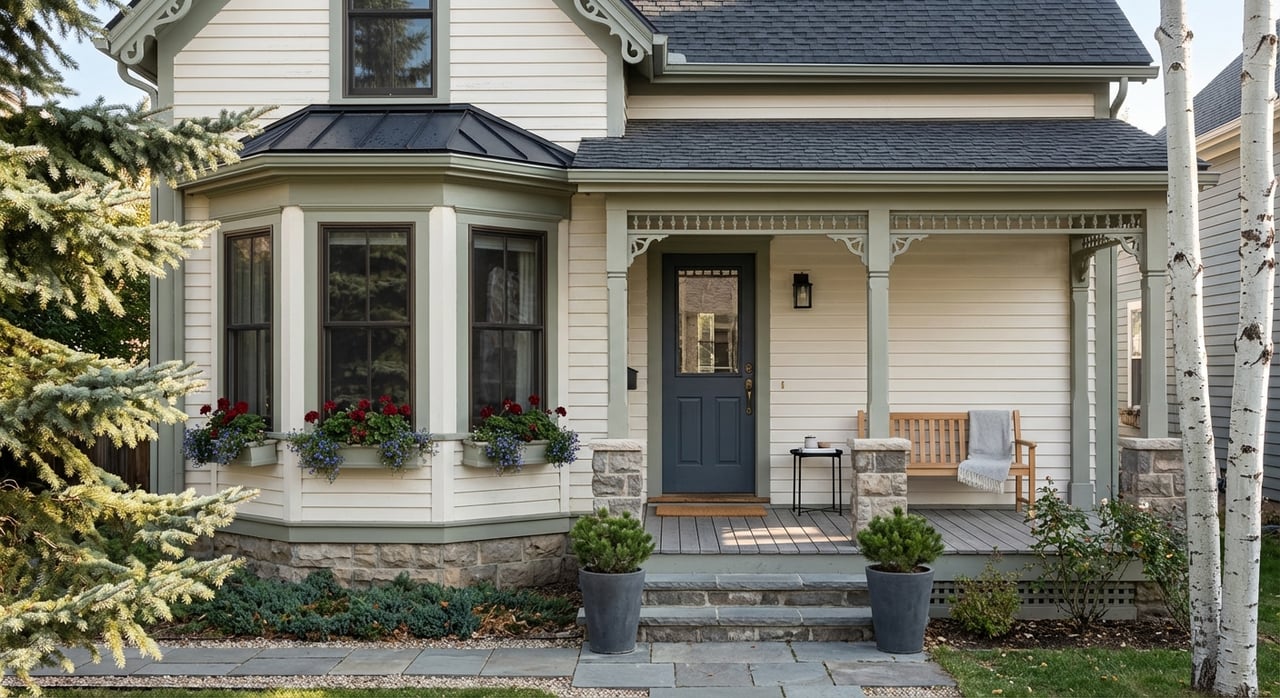
Listing a historic Telluride Victorian can feel like juggling two priorities at once: honoring the home’s character while getting it market-ready for discerning buyers. You want strong offers, minimal surprises, and a smooth close in a high-value, low-inventory market. This guide gives you a clear, preservation-smart plan that protects value and reduces risk with practical steps, inspections, documentation, and approvals. Let’s dive in.
Know your historic context
Much of in-town Telluride sits within the Telluride National Historic Landmark District. The Town’s Historic Preservation Department and HARC review exterior work visible from public view to ensure changes fit the setting. Expect attention to roof forms, porches, windows, siding, trim, and storefront-like details. You can confirm requirements and process on the Town’s Historic Preservation page and in the Telluride Design Guidelines & Standards.
If your property is within the historic overlay, plan ahead. HARC may require a Certificate of Appropriateness before the Building Department issues permits. Early coordination avoids delays, protects your schedule, and helps you prioritize scope that aligns with the guidelines.
Map your approvals early
Most visible exterior changes need HARC review. This includes roofing visible from the street, siding repairs or replacement, porch and entry work, window or door changes, fences, and notable paint color shifts. The Town accepts applications through the SmartGov online portal. Staff encourages pre-application meetings to surface issues before you submit, which can save time and money. Start with the Historic Preservation Department’s overview and consult the Design Guidelines for treatment-area specifics.
What usually triggers review
- Exterior work visible from public ways, including porch, siding, roofing, and trim repairs.
- Window or door replacements that alter profiles, muntin patterns, or sightlines.
- Additions or new accessory structures, fences, and signage.
What may not trigger review
- Interior work that does not change visible exterior character.
- Routine maintenance that repairs in-kind without altering appearance.
When in doubt, ask HARC staff at the start. A quick, early answer prevents rework.
Build a buyer-ready file
In Telluride’s high-price market, clean documentation builds confidence. Gather deeds, past permits, contractor invoices, and any historic survey records. If the home connects to municipal systems, verify your water and sewer tap status and any recent utility work with Town Public Works. The Water and Wastewater Division is a helpful reference point for records and system context (Town Public Works).
Buyers and their consultants will ask for age and service history on roof, heating, and hot water equipment. A simple, organized packet with reports, warranties, and receipts helps your home stand out in a market where presentation and permitted condition matter.
Pre-listing inspections that reduce surprises
A thorough pre-listing inspection package removes uncertainty and helps you focus your budget. At minimum, plan for:
- Full home inspection by a licensed inspector
- Roof and attic inspection by a licensed roofing contractor
- Chimney sweep and flue inspection
- Electrical evaluation by a licensed electrician
- Plumbing evaluation and water heater age verification
- HVAC service and filter check
- Radon test with results on file
- Lead-based paint disclosures and, if desired, testing for pre-1978 homes
Structural and envelope priorities
Historic homes can show uneven floors or past settlement. If your inspector flags structural items, bring in a structural engineer and keep their assessment, scope, and estimates on hand for buyers. Roof performance is critical in snow country. Focus on effective flashing, valleys, and penetrations, and address ice-dam risks with air sealing and continuous insulation at the ceiling plane. For ice-dam prevention and attic ventilation strategies, review Building America guidance on ice-dam prevention for roofs and attics.
Windows and character-defining details
Original windows and doors are often significant character features. The National Park Service recommends repair and weatherization first, with storm windows and high-quality weather-stripping as reversible upgrades. If replacement is necessary, match historic profiles and patterns and document your rationale, measured drawings, and photos for HARC and for buyer transparency. See NPS guidance on evaluating historic windows.
Mechanical, electrical, and plumbing
Modern, safe systems are a buyer expectation. If you have knob-and-tube wiring or obsolete panels, consult a licensed electrician and document any remediation. For plumbing, note replacement of galvanized lines and keep receipts for recent work and water heater upgrades. Service your furnace or boiler before listing and retain the service report.
Environmental disclosures in Colorado
If your home was built before 1978, federal law requires a lead-based paint disclosure, delivery of the EPA/HUD pamphlet, and a 10-day inspection window unless waived. Review the EPA’s summary of the lead-based paint disclosure rule. For any renovations that disturb painted surfaces, firms must be EPA-certified and follow RRP standards; keep those records ready for buyers. See the EPA RRP program for contractors.
Colorado law also requires that sellers provide any known radon test results and a state radon brochure with the sales contract. Consider pre-listing testing so you can disclose results and discuss mitigation clearly. See the statute on radon disclosures in residential sales.
Preservation-smart updates that add value
Focus first on water management. Ensure positive grading, functional gutters and downspouts, and dry porches and entries. Fixing moisture issues protects siding, trim, and foundations, which buyers and inspectors will notice.
Preserve historic roofing materials where feasible and address flashing and valley details that threaten the envelope. For windows, prioritize repair and weatherization, with interior storms as a reversible energy upgrade. When you must replace, document the need and match historic appearance.
Mechanical upgrades can be tucked into basements, crawlspaces, or discreet closets to avoid visual impact. Improve attic insulation and air sealing to reduce ice dams without altering the exterior. Keep before-and-after photos and contractor warranties in your listing packet. For decision-making, align with the Secretary of the Interior’s Standards for Rehabilitation.
Short-term rentals and use questions
Some buyers will ask about short-term rental potential. In Telluride, short-term rentals are governed by the Town’s Land Use Code, not the historic guidelines. Rules vary by zone and can change. If rental income is part of your value story, verify current requirements and license pathways before marketing that feature.
Funding and incentives overview
Federal historic rehabilitation tax credits apply only to qualifying income-producing properties and require strict certification. Owner-occupied residences do not qualify. For certain projects with public benefit, History Colorado’s State Historical Fund offers competitive grants that may support preservation work. Review recent awards to understand scope and competitiveness through History Colorado’s State Historical Fund updates. Always confirm current eligibility with the program directly.
Staging, photography, and presentation
Stage to highlight irreplaceable details. Clean and repair porch elements, polish original hardware, and remove heavy window treatments to maximize daylight and views. Keep decor simple and scaled to the rooms so moldings, mantels, and built-ins stand out.
Professional photography should capture both the home’s craftsmanship and its mountain setting. Include seasonal images that show winter access and sun exposure when possible. Prepare a concise packet with inspection summaries, HARC approvals, system upgrades, and a maintenance log to hand buyers the confidence they need.
A practical preparation timeline
-
Start with a HARC consult. Schedule a pre-application conversation to confirm if planned exterior work needs a Certificate of Appropriateness and to understand review timing.
-
Collect and organize records. Gather permits, warranty documents, contractor invoices, historic survey references, and utility information. Keep digital copies for easy sharing.
-
Complete core inspections. Order the full pre-listing inspection package, then prioritize safety, water management, and envelope integrity.
-
Preserve, repair, document. Pursue repair-before-replacement for windows, roofs, and porches. If replacement is necessary, prepare measured drawings and photos.
-
File required applications early. Use the Town’s online portal and build in time for staff review and possible Commission hearings.
-
Stage and shoot. Highlight light, views, and authentic details with calm, uncluttered styling and professional photography.
-
Finalize disclosures. Prepare federal lead disclosures for pre-1978 homes, Colorado radon materials and known results, and provide key inspection reports to interested buyers.
Move forward with a trusted advisor
Preparing a Telluride Victorian is about stewardship as much as it is about price. With a clear plan, sound documentation, and preservation-minded updates, you position your home to attract the right buyers and command attention in a selective market. If you would like tailored guidance, discreet pricing insight, and Sotheby’s-grade marketing for a historic in-town listing, connect with Lars Carlson. Request a confidential consultation.
FAQs
What is HARC in Telluride and when do I need approval?
- HARC is the Town’s Historic & Architectural Review Commission. You generally need a Certificate of Appropriateness before doing exterior work visible from public view, including roofing changes, window replacements, porches, fences, and noticeable paint color changes.
How long does HARC review typically take for exterior work?
- Simple, in-kind repairs can see faster staff-level review, while complex changes may require multiple Commission meetings. Start early and plan for weeks to months, not days, for projects that alter visible character.
Are original windows a problem if they are drafty?
- Not necessarily. NPS guidance recommends repair and weatherization first, such as weather-stripping and storm windows, before considering replacements that must match historic profiles and patterns.
Which pre-listing inspections matter most for a Telluride Victorian?
- Focus on structural and envelope issues first, then roof and attic, electrical, plumbing, HVAC service, chimney, radon testing, and lead-based paint disclosures for pre-1978 homes. Provide reports in a clean, shareable packet.
Do I have to test for radon before listing in Colorado?
- Testing is not mandated, but Colorado requires sellers to provide any known radon test results and a state radon brochure with the contract. Pre-listing testing helps you discuss mitigation and pricing with confidence.
Can I market short-term rental potential for an in-town Victorian?
- Only after you verify current rules in the Town’s Land Use Code for your zone and any licensing requirements. Do not assume STR eligibility or capacity without confirmation.
Are there grants to help restore a Telluride Victorian?
- Some preservation grants exist through History Colorado’s State Historical Fund for projects with public benefit, but owner-occupied homes typically rely on private funding. Confirm eligibility and competitiveness before applying.