Is your Mountain Village home or condo right on the slopes, but you are unsure how to price it? You are not alone. In a resort market where true ski access is scarce, small differences in lift proximity, ski easements, amenities, and rental history can shift value by six figures. In this guide, you will learn how to classify your ski access, weigh the right comps, and translate rental performance into a price range that attracts the right buyers without leaving money on the table. Let’s dive in.
Define your ski access precisely
Not all ski access is equal in Mountain Village. How your home meets the mountain is one of the biggest price drivers.
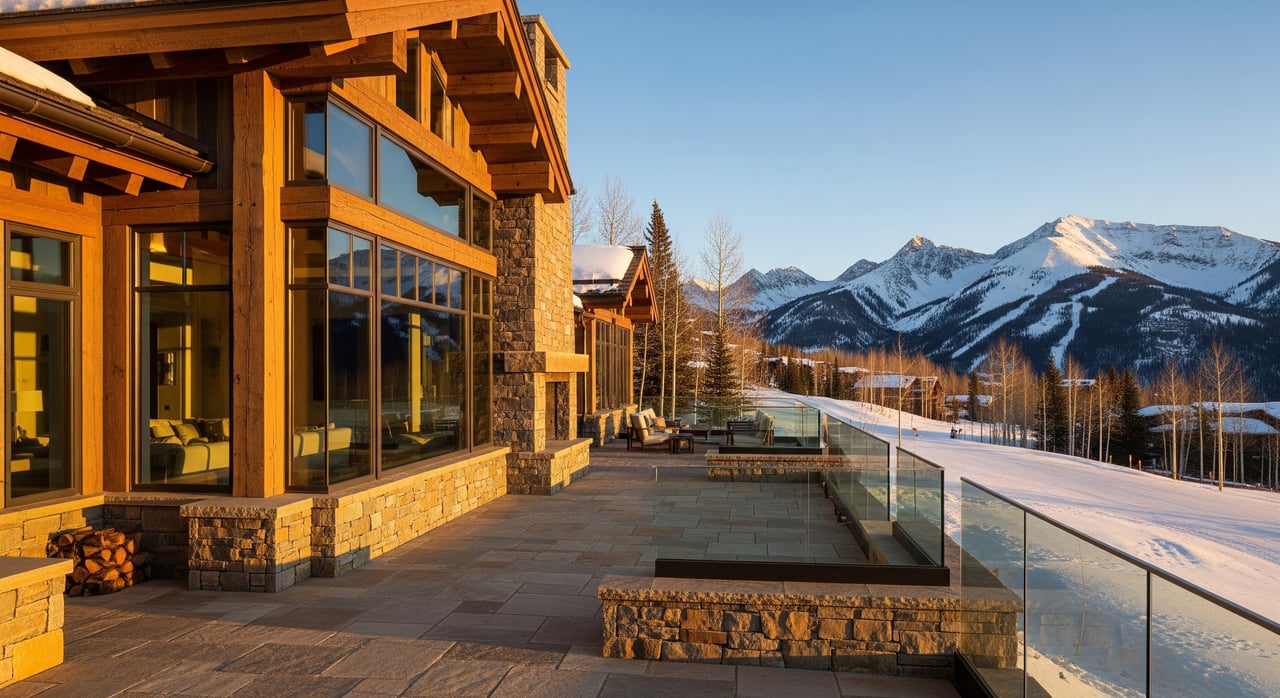
True ski-in/ski-out
This means you can step out and click in on skiable terrain, with direct re-entry near your door. It carries the strongest premium because it is easy, scarce, and always marketable. Buyers expect a seamless set-up that includes ski storage, dry rooms, and circulation that handles gear and guests.
Direct lift access
A short walk on a groomed or paved path to a lift or the gondola plaza ranks just below true doorstep access. Immediate connection to lifts multiplies your on-mountain options and is highly prized by second-home and investor buyers.
Short walk or shuttle
A quick walk under 10 to 15 minutes, or an easy shuttle, adds a meaningful premium over non-ski properties, but it is a step down from direct lift or doorstep access. Covered walkways, snow clearing, and route quality matter here.
Drive-to access
If you must drive to a lift, the ski-access premium is minimal. Other features like privacy, acreage, design, and price per square foot tend to dominate.
What changes the premium
- Slope difficulty and route directness. Easy access to beginner terrain is a big plus for families, while direct links to intermediate or advanced runs attract expert skiers.
- Reliability of the route. Groomed or deeded traverses hold value better than routes that depend on high-snow years.
- Deeded rights and private access. Recorded ski easements or private access points create measurable value.
- Proximity to the village core. Fast access to the gondola plaza, parking, and dining compounds the premium.
Amenities and HOA details that move price
Amenities shape both lifestyle and income potential. Make sure you account for what your building and unit truly offer.
Building-level features
- Private ski lockers, heated boot rooms, and exterior ski doors
- Elevators to all levels, on-site management or concierge, spa and fitness
- Heated garages, deeded and secured parking
Unit-level features
- Gear-friendly entries and storage, mudrooms, and laundry
- Mountain or slope views, sun exposure, fireplaces, and outdoor decks
- Flexible sleeping arrangements that support rental demand
HOA operations and rules
High dues may be offset by robust services like shuttles, snow removal, and on-site management. Reserve funding and any upcoming special assessments affect carrying costs and should be clear to buyers. Rental rules, such as minimum stays or management requirements, can widen or shrink your investor pool and your price ceiling.
Turn rental history into pricing power
In Mountain Village, many buyers weigh lifestyle with returns. If your property has been rented, bring investors the numbers they need.
- Track ADR and occupancy by season. Segment peak ski weeks, summer, and shoulder periods.
- Convert gross revenue to NOI. Deduct management fees, HOA dues, utilities, cleaning and linen, taxes, insurance, and reserves.
- Look at a 3 to 5 year trend. Smooth out one-time spikes or dips to show stabilized performance.
- Note the channel mix. Professional management often improves ADR and stabilizes occupancy.
When investors can underwrite quickly, you expand your buyer pool and support a stronger ask.
Use a blended valuation approach
You will get the best result by combining comparable sales with income analysis, then refining for unique features.
Comparable sales
Start with 6 to 12 closed sales in Mountain Village or Telluride that match your access class, product type, and amenity level. Adjust for:
- Ski access class, deeded easements, and route quality
- Building amenities, parking, and on-site services
- Views, sun, finishes, and recent upgrades
- HOA rules and operating costs that differ from your property
Income approach
If rental income is material, convert historical revenue to NOI and apply a market cap rate derived from recent local income-producing sales. For unique assets or changing rules, a simple discounted cash flow can clarify the next few years of ADR, occupancy, and capital needs. Use a gross rent multiplier only as a quick gut check.
Hybrid positioning
For rare luxury homes and trophy condos, pricing is as much about scarcity and the lived experience as it is about square footage. Lead with the lifestyle elements that matter most in a slope-side purchase, then anchor the ask with comps and a clear income narrative.
Seasonality and launch timing
Showings and sales in Mountain Village are seasonal. Activity often rises before winter and during summer. Your strategy should match buyer behavior by:
- Finalizing photography and videography when the slope route is visible and appealing
- Listing when travel to the resort is easy and lifts or summer events increase foot traffic
- Preparing for cash buyers and specialty financing often seen in luxury resort trades
Risks and external forces to factor in
- Climate and snow variability. Historical snowfall and season length affect buyer confidence and perceived rental season length. Snowmaking and summer programming help, but pricing should reflect realistic income windows.
- Regulatory change. Short-term rental licensing, lodging taxes, and HOA restrictions can shift. If your value relies on rentals, show compliance and discuss rule stability.
- Market concentration. Small luxury markets can move on a few sales. Use a range, not a single number, and watch active and pending inventory in your access class.
- Insurance and maintenance. High-elevation properties face snow load, freeze and thaw cycles, and wildfire risk that influence expenses and buyer risk tolerance.
Your pricing blueprint
Follow a structured process so you price with confidence.
- Classify ski access and verify rights. Confirm deeded easements or private access and measure time to the nearest lift or gondola on a typical groomed path.
- Build a comp set. Select 6 to 12 closed comps that match access class, building features, views, and rental rules. Add active and pending listings to identify ceilings and gaps.
- Underwrite rental performance. Gather 3 to 5 years of ADR, occupancy, gross revenue, and all operating costs. Normalize to a stabilized NOI.
- Apply a market cap rate or DCF. Use local income-producing sales to frame your cap rate, then sanity check with GRM and per square foot metrics.
- Adjust for HOA and amenities. Make clear, line-item adjustments for dues, assessments, parking, views, elevator access, and private spa features.
- Produce a sensitivity range. Show how price interacts with ADR and occupancy or with capital outlay for upgrades. Buyers appreciate transparent scenario planning.
- Set a price range and message it. Present a range that reflects both comps and income, then explain the value drivers in plain language.
What to gather before you price
- Exact ski-access classification, route description, and any recorded easements
- Floor plan, bed and bath count, deeded parking and storage
- HOA rules, CC&Rs, dues, reserve study, and any special assessments
- 3 to 5 years of rental history, contracts, and management agreements
- Property tax bill, insurance quotes, and recent utility averages
- List of capital improvements and any deferred maintenance
- Local comp set and a summary of active and pending competition
How Lars positions a slope-side listing
Mountain Village is a boutique resort market where precision matters. A tailored strategy should highlight your property’s access class, amenity mix, and rental story, then place it within a clear local comp and income framework. With multi-decade Telluride experience and a discreet, high-touch approach, the focus is on measured pricing, careful buyer education, and presentation that speaks to both lifestyle and performance. That combination helps you defend your value and move efficiently from launch to closing.
Ready to discuss your ski-in/ski-out property? Reach out for a confidential, bespoke pricing plan with Lars Carlson.
FAQs
What does “true ski-in/ski-out” mean in Mountain Village?
- It means direct, practical access from your door to skiable terrain with easy re-entry near the unit, not just a short walk or shuttle.
How much does lift proximity change price?
- Moving from a short walk to direct lift access often commands a large premium because it improves convenience, branding, and buyer demand.
Do HOA dues help or hurt value for ski-access condos?
- High dues can be neutral or positive when they fund services and amenities buyers value, but they reduce investor NOI and may cap price for income-driven buyers.
How should I use rental history to support my list price?
- Present 3 to 5 years of ADR, occupancy, and NOI with clear expenses and management terms, then tie the stabilized income to comps and a market cap rate.
When is the best time to list a ski-in/ski-out home in Mountain Village?
- Many sellers target pre-winter and summer when buyer traffic peaks, but the right timing depends on your comp set, competition, and readiness.
What documents should I collect before pricing my ski-in/ski-out listing?
- Gather ski access evidence, HOA rules and dues, reserve study, rental history, tax and insurance details, recent utilities, and records of improvements.
How do short-term rental rules impact valuation in Mountain Village?
- Licensing, lodging taxes, and HOA rental limits change income potential and buyer pools, so compliance and clarity are essential to support your ask.