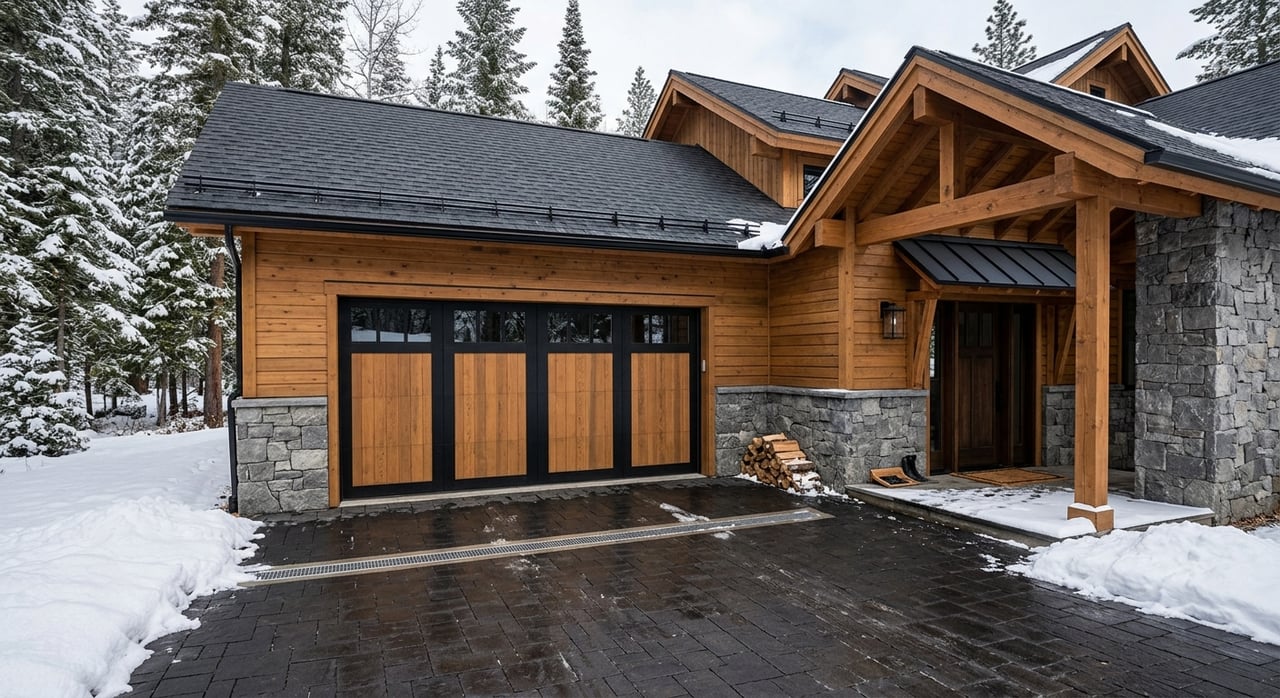
Owning a second home in Mountain Village can feel wonderfully simple when you picture ski days, summer trails, and easy weekends in the San Juans. The logistics behind that lifestyle are a little more layered. If you are thinking about buying, or you already own and want a clearer plan, this guide will walk you through the practical details that shape second-home ownership in Mountain Village. Let’s dive in.
Why logistics matter in Mountain Village
In Mountain Village, ownership is shaped as much by access, weather, and local operating rules as it is by square footage or views. A home that works beautifully for part-time use usually has a clear plan for transportation, snow management, utilities, and property oversight.
That matters even more if you live out of town for much of the year. The strongest second-home purchases here are often the ones where the buyer understands how the property will function before closing, not after.
Access and transportation basics
Getting in and out of Mountain Village is one of the first things to map out. Official travel information places Telluride Regional Airport about 10 minutes from Mountain Village, while Montrose Regional Airport is about 65 miles away. Telluride Regional Airport currently has commercial service through Denver Air Connection, and Montrose typically offers broader hub connectivity.
Once you are in town, local transit can reduce the need for keeping an extra vehicle at the property. Telluride Ski & Golf lists free gondola service for summer 2026 from 6:30 a.m. to midnight, which makes the gondola one of the most important local connectors for many owners.
Mountain Village also operates a free summer bus between the Meadows neighborhood and Mountain Village Center. During shoulder seasons when the gondola is closed, SMART runs a free bus between Mountain Village and Telluride.
Dial-A-Ride for owners and guests
For many second-home owners, TMVOA’s Dial-A-Ride service is one of the most useful tools to understand early. TMVOA provides door-to-door service for residents and guests with a valid address and access code.
According to TMVOA, each residence receives 200 complimentary rides per combined winter and summer season. Guest codes can be created for renters, and rides beyond the limit are billed to the owner at $5 each.
That setup can be especially helpful if you plan to use the home part of the year and host guests at other times. It gives you a structured way to manage access without assuming every visitor needs a car.
Parking deserves early attention
If your second home will keep a vehicle on site, parking should be reviewed before you close. Mountain Village’s parking schedule varies by lot and season, and some garages include resident or local permit requirements.
The town also notes that overnight parking is not allowed in Market Plaza, North Village, and South Village lots. That means parking is not just a convenience issue. It is part of your operating budget and part of how comfortably the property will work for you and your guests.
Winter ownership is an operating system
Snow in Mountain Village is not an occasional inconvenience. It is part of how the town functions for a large part of the year.
The town’s Road and Bridge program states that it provides snow and ice removal for town roadways and parking areas and maintains winter coverage seven days a week. That public support is important, but second-home buyers should not confuse town snow removal with full-service private property care.
Private snow responsibilities are different
Mountain Village’s municipal code places clear responsibilities on the owner side. A building owner, HOA, or property manager must arrange the removal and haul-away of snow and ice from roofs or decks.
The code also states that snow may not be stored on public plazas or public areas. If snow is neglected, the town can remove it at the owner’s expense.
There is another point buyers should understand clearly. Owners are responsible for damage caused by snow and ice falling from roofs.
Why management matters for part-time owners
If you will be away for long stretches, a well-run management setup can make ownership much smoother. In practical terms, management can help coordinate snow haul-away, vendor access, recycling service, and guest logistics.
That is especially relevant in Mountain Village because ownership often sits within a layered system of town rules, association rules, and building-level operations. The more complex the property, the more important it is to understand who is responsible for what.
HOA and association review is essential
TMVOA is a central part of the Mountain Village ownership ecosystem. The association says it was formed in 1984, operates as a nonprofit, and serves multiple membership classes.
Its stated functions include protecting property values and providing community benefits such as Dial-A-Ride, event sponsorship, grants, and regional initiatives. TMVOA also says member annual assessments were eliminated effective July 29, 2025 for the foreseeable future.
That does not mean every ownership experience is the same. Some properties also have their own HOA or professional management structure, and those local documents may cover budgets, insurance, maintenance procedures, board information, and owner-facing systems differently from one building to the next.
What to review before closing
Before you buy, review the association layer carefully rather than assuming services are handled the same way across Mountain Village. Focus on practical operating questions like these:
- Who coordinates exterior maintenance?
- Who handles roof and deck snow removal?
- What owner notices, access systems, or maintenance request procedures are in place?
- Is trash and recycling arranged through the HOA, a manager, or directly by the owner?
- Are there building-specific rules that affect guest use or owner occupancy planning?
These are not small details for a second home. They shape your time, costs, and peace of mind once the keys are in hand.
Utilities and waste services need a plan
Utility setup is another area where buyers should ask direct questions before closing. Mountain Village’s 2025 water and sewer schedule classifies standard single-family and condo service as seasonal.
That does not mean service is automatically shut off. It does mean you should understand how billing works if the home is occupied only part of the year.
Recycling is mandatory
Trash and recycling are not optional background tasks in Mountain Village. The town requires all residential and commercial properties to recycle glass, plastic, aluminum, paper, and cardboard.
Residents and businesses must contract with Bruin Waste or Waste Management directly, or through an HOA or property manager. The town also warns owners to arrange adequate recycling service to avoid penalties and fines.
For a second-home owner, this is another reason to confirm whether day-to-day service will be owner-managed or handled through a building or management company. A clean system on paper usually translates into a smoother ownership experience in practice.
Property taxes and first-year budgeting
Tax logistics are easy to overlook when a home will not be your primary residence. In San Miguel County, the Treasurer mails property tax notices to the owner of record, and taxes are due January 1 for the previous year.
Owners may pay in one full installment by April 30 or in two equal installments by February 28 and June 15. The county also states that the property owner remains responsible for timely payment even if a mortgage company escrows the bill.
Property tax statements are mailed at the end of January, and failure to receive a statement does not remove the payment obligation. For second-home owners, that makes mailing address accuracy and escrow review especially important.
Why the assessor timeline matters
San Miguel County values real property on a two-year cycle. The assessor notes that 2025 and 2026 values reflect market data as of June 30, 2024.
That timing can affect how you think about first-year budgeting and future carrying costs. It is one more reminder that a smart Mountain Village purchase is not just about the acquisition price. It is also about understanding the ongoing cost structure.
Short-term rental planning starts before closing
If you may rent the home when you are away, verify the rules before you buy. Mountain Village states that short-term rentals under 30 days are subject to the town’s sales-tax ordinances and business-license ordinances.
The town’s business-license fee schedule also includes a separate category for lodging and short-term accommodation units. That means rental use should be treated as a defined operating decision, not as an assumption you sort out later.
If rental flexibility matters to you, confirm the town requirements and any property-specific association rules before closing. That early review can help you avoid buying a home that does not align with your intended use.
A practical Mountain Village checklist
Before closing on a second home in Mountain Village, it helps to confirm the basics in one place. A careful review should include:
- HOA or management documents
- Snow-haul, roof-load, parking, and transit rules
- Trash, recycling, and seasonal water/sewer arrangements
- Tax mailing address and escrow setup
- Rental licensing and tax treatment if you plan to lease the property short-term
- TMVOA post-closing transfer paperwork, including the RETA Information Worksheet and copy of the deed after closing
In a market like Mountain Village, these details are part of protecting both convenience and value. They help you buy with a clear understanding of how the home will actually function over time.
If you want guidance that goes beyond listings and into the real operating details of Mountain Village ownership, Lars Carlson offers a discreet, locally informed approach shaped by decades of experience in Telluride and Mountain Village.
FAQs
What transportation options matter most for second-home owners in Mountain Village?
- The main transportation factors are proximity to Telluride Regional Airport and Montrose Regional Airport, gondola access, seasonal bus service, and TMVOA Dial-A-Ride for residents and guests.
What snow removal responsibilities come with owning a home in Mountain Village?
- The town clears roadways and public parking areas, but owners, HOAs, or property managers must arrange removal and haul-away of snow and ice from roofs or decks, and owners are responsible for damage caused by falling snow or ice.
What should buyers review about HOAs in Mountain Village before closing?
- You should review how the HOA or management company handles maintenance, snow coordination, insurance information, owner communication, recycling, and any building-specific operating rules.
How do property taxes work for second homes in San Miguel County?
- Tax notices are mailed to the owner of record, taxes are due January 1 for the previous year, and owners may pay in one installment by April 30 or in two installments by February 28 and June 15.
What should owners know about utilities and recycling in Mountain Village?
- Standard single-family and condo water and sewer service is classified as seasonal, and all residential properties must recycle required materials through direct service or arrangements made by an HOA or property manager.
What are the rules for short-term rentals in Mountain Village?
- Short-term rentals under 30 days are subject to the town’s sales-tax and business-license ordinances, so you should verify town requirements and any property-specific rules before closing.