If you picture Telluride as a place that feels the same all year, the reality is more nuanced. Seasonal living here has a distinct rhythm, and that rhythm shapes how many owners use their homes, plan their visits, and think about day-to-day convenience. If you are considering buying, selling, or simply trying to understand what life in town really feels like across the calendar, this guide will walk you through the pattern clearly. Let’s dive in.
Telluride Runs on Seasonal Peaks
Telluride is a small mountain town with a noticeable swing between busy and quiet periods. In the Town of Telluride’s 2020 community profile, the town had 2,271 housing units, with 1,207 occupied and 1,064 vacant, for a vacancy rate of 46.9 percent.
That figure does not mean every vacant home is a second home, but it does show that a meaningful share of housing is not used as a full-time residence. The same town data also point to pressure on year-round housing, with the Town of Telluride owning and managing 212 rental housing units and reporting 240 households on the waiting list in 2026.
For you as a buyer or owner, that matters because Telluride often functions less like a typical full-time suburban market and more like a place with concentrated periods of use. Many homes are best understood as seasonal bases tied to the town’s ski season, summer events, and quieter shoulder periods.
Winter Shapes the Town’s Core Lifestyle
Winter is the clearest and most defined season in Telluride. For the 2025 to 2026 season, Telluride Ski Resort operated from November 21, 2025 through April 5, 2026, which gives you a strong sense of the town’s winter cadence.
That schedule supports a ski-centered daily routine. Lifts open at 9:00 a.m., and the broader winter setup includes access to ski school, rentals, lockers, ski valet, and mountain-oriented services that make shorter visits and longer holiday stays easier to manage.
Travel access also becomes stronger in winter. According to the Telluride Tourism Board, the region has direct flights from 13 major hubs in the winter months, compared with six major hubs in summer, and Telluride Regional Airport is about 10 minutes from town while Montrose Regional Airport sits 65 miles away.
For part-time owners, that makes winter especially usable. It supports the kind of schedule many second-home buyers value most: long holiday stretches, family ski trips, and shorter weekends when travel lines up well.
Winter Living Is About Ease and Proximity
In practical terms, winter living in Telluride often rewards homes that simplify movement. That can mean easy ski access, efficient in-town positioning, or a location that helps you move between lodging, dining, and the mountain without relying heavily on a car.
Telluride’s transportation system plays an important role here. The free gondola connects Telluride and Mountain Village in about 12 minutes per ride, and the town describes it as the first and only free public transportation system of its kind in the United States.
The gondola has carried about 3.11 million riders annually since 1996. Combined with the Galloping Goose bus system, which runs every 10 to 15 minutes in peak winter and summer, the town offers a car-light pattern of living that many seasonal owners find highly practical.
Spring Is the Quiet Reset
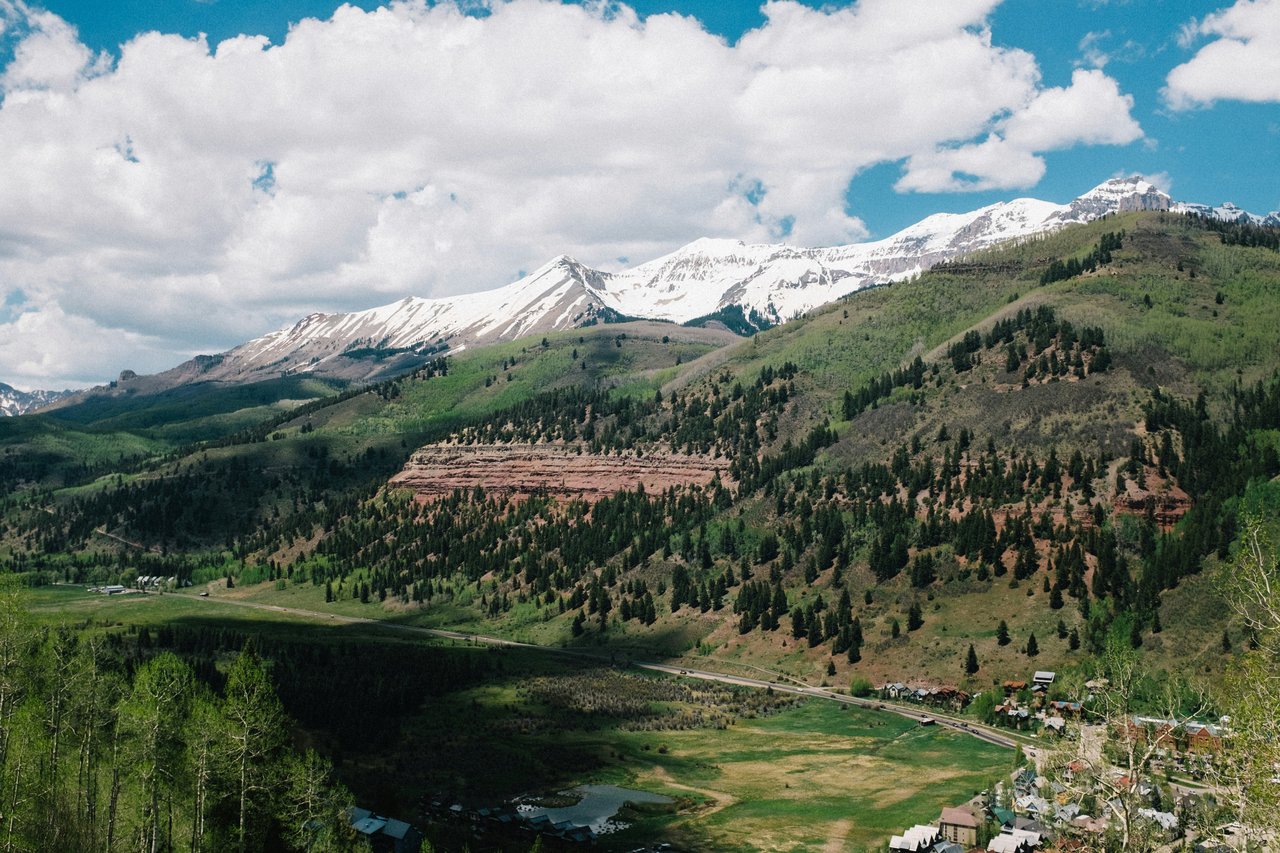
Spring is when Telluride noticeably exhales. It is not just a softer version of winter or a preview of summer. It is a real transition period when service levels step down and the overall pace becomes quieter.
In April 2026, the Town of Telluride announced that the Galloping Goose would move to a single-bus, 30-minute loop from April 6 through May 22, 2026. During that same period, the resort gondola was in spring off-season and scheduled to reopen for summer on May 21, 2026.
The resort also notes that the gondola closes briefly in late spring and fall for maintenance and operational needs. For you as an owner, this is often the most practical window for maintenance, housekeeping, and general reset between the heavier winter and summer periods.
What Spring Feels Like Day to Day
Spring is quieter by design. Fewer events, reduced transit frequency, and the pause between ski season and summer operations all create a slower tempo.
That does not make spring unimportant. In many ways, it reveals the operational side of ownership more clearly than the headline seasons do.
If you are evaluating a property for part-time use, this season can help you think realistically about care, access, timing, and how a home functions when the town is not in peak mode. That kind of perspective is often just as valuable as imagining the high-energy days of winter or festival season.
Summer Is Social and Active
Summer brings a very different kind of energy. The gondola reopened for summer on May 21, 2026 and was scheduled to remain open through October 25, 2026, with seven-day service from 6:30 a.m. to midnight.
That schedule supports much more than sightseeing. Summer operations include hiking, biking, the bike park, zipline adventure, kids camps, racquet club, golf, and guided outdoor activities.
For many owners, this is the season when a Telluride home becomes a true gathering place. Longer stays, family visits, trail access, and walkable event days all shape how the home is used.
Festivals Change the Feel of Town
Telluride’s summer and early fall calendar is one of the clearest indicators of how seasonal living really works. In 2026, Mountainfilm ran May 21 through 25, Bluegrass took place June 18 through 21, Jazz was August 7 through 8, the Telluride Film Festival was September 4 through 7, and Blues & Brews ran September 18 through 20.
The farmers market also ran on Fridays from May 29 through October 9. These dates matter because they show how much of the warm-weather season is shaped by recurring events, visitor flow, and periods of concentrated activity.
Visit Telluride notes that each Labor Day weekend, the tiny mountain village of Telluride triples in size for the Film Festival. The Town of Telluride also adds late-night transit service for several summer festivals, which shows just how much these event periods affect the town’s rhythm.
Summer Homes Often Function as Bases
In summer, many in-town properties work best as easy bases for movement and gathering. You can walk to events, use the gondola for access, spend the day on the trails, and come back into town without the day feeling car-dependent.
That lifestyle pattern is supported by official transit and event information. In the town’s 2024 community survey, 81 percent of residents rated the overall transportation system as excellent or good, while the report summary noted that public parking and car travel were weaker parts of the mobility experience.
For seasonal owners, that is an important distinction. In Telluride, convenience often has more to do with walkability and transit access than with driving ease.
Fall Is Quieter, Not Empty
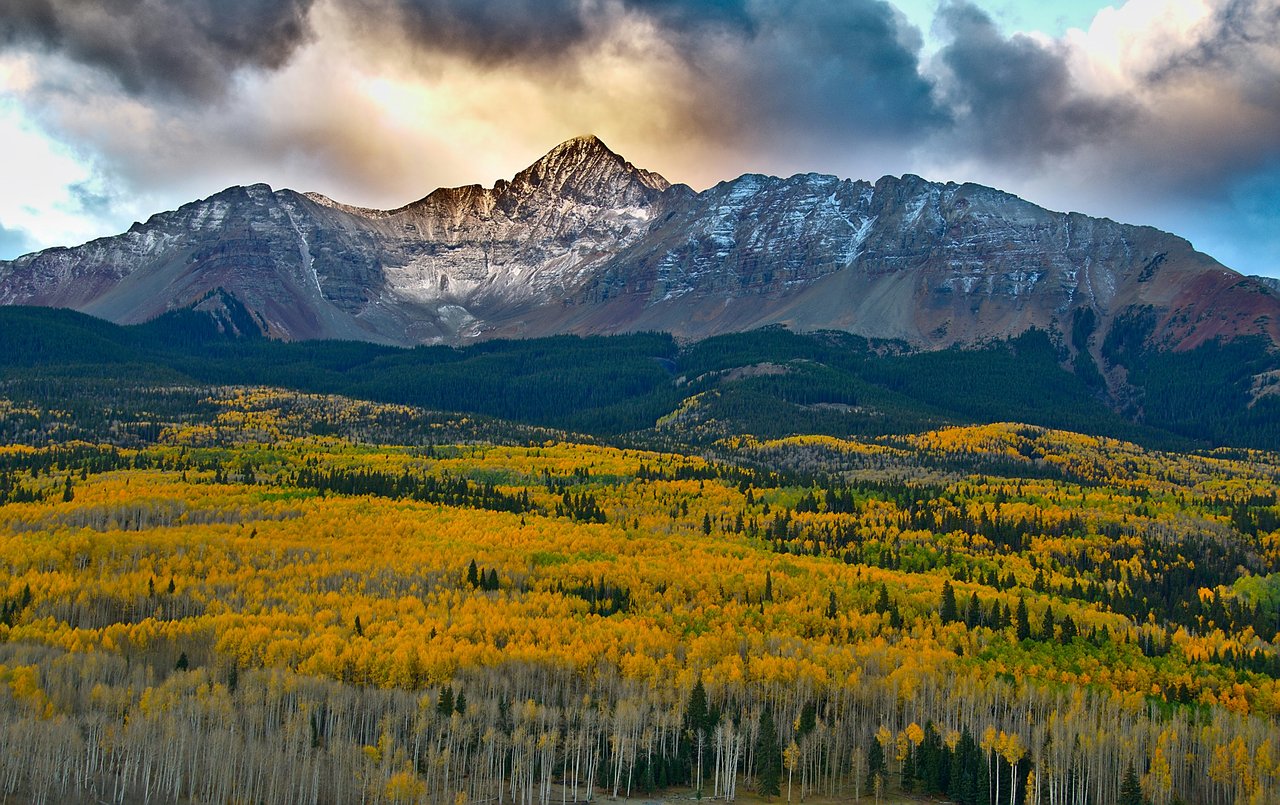
Fall in Telluride is best understood as a taper, not a shutdown. The gondola remains open through October 25, 2026, which allows for continued late-season visits even after the busiest summer festival stretch has passed.
By that point, the town feels less event-driven, but it is not dormant. The larger crowds begin to thin after the major late-summer and September events, creating a calmer pace before winter returns.
For many owners, that makes fall one of the most appealing and realistic windows for shorter stays. It can be a time to enjoy the home more quietly, reset after summer use, and prepare for the next ski season.
What Seasonal Living Really Means for Buyers
If you are exploring Telluride real estate, the key takeaway is simple: seasonal living here is defined by rhythm, not by constant occupancy. The most realistic pattern is often winter arrival, a spring pause, longer and more social summer use, and a quieter fall return.
That does not reduce the value of ownership. In many cases, it helps explain it.
A Telluride property can serve as a highly functional seasonal base that aligns with how people actually spend time in the region. Understanding that pattern can help you evaluate location, access, timing, and lifestyle fit with far more clarity.
For buyers and sellers alike, this is where local knowledge matters. Seasonal use, transit patterns, event timing, and the practical feel of each part of the year all shape how a property is experienced and how it should be positioned in the market.
If you are considering a purchase or preparing to position a distinctive Telluride property for sale, Lars Carlson offers discreet, locally grounded guidance shaped by decades of experience in Telluride and Mountain Village.
FAQs
What does seasonal living in Telluride usually look like?
- Seasonal living in Telluride often follows a pattern of heavier winter use, a slower spring shoulder season, active summer stays centered on recreation and events, and quieter fall visits before ski season begins again.
How busy is Telluride during the winter season?
- Winter is one of Telluride’s most defined periods of activity, with the 2025 to 2026 ski season running from November 21, 2025 through April 5, 2026 and stronger regional flight access during those months.
How does transportation work for seasonal living in Telluride?
- Telluride supports car-light living with the free gondola between Telluride and Mountain Village, plus the Galloping Goose bus system, which runs more frequently during peak winter and summer periods.
What happens in Telluride during spring shoulder season?
- Spring is typically a reset period marked by reduced transit frequency, a temporary gondola off-season, and a quieter overall pace between the end of ski season and the start of summer operations.
Why is summer important for Telluride second-home owners?
- Summer brings long gondola hours, outdoor recreation, festivals, and weekly community events, which often makes it one of the most social and active seasons for part-time owners and their guests.
Is Telluride quiet in the fall?
- Fall is generally quieter than peak summer, but it remains active enough for late-season visits, shorter stays, and home resets before winter returns.